 October 8, 2025
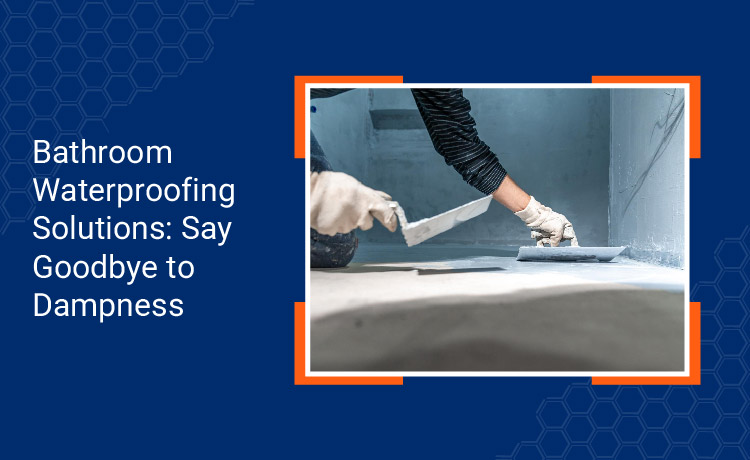
Bathrooms are constantly flooded, making them a highly moisture-prone area throughout the building. Initially, this seems normal, but over time, the effect of the moisture can be seen in the form of musty odour, mould growth, and paint peeling off. Given the seriousness of bathroom dampness, we have curated this detailed blog post, containing everything from waterproofing techniques to a product-choosing guide and steps for application.
The water from showers and baths creates a humid environment inside the bathroom, condensing the water and forming water vapour. Due to a lack of proper ventilation, the humidity is trapped in the enclosed space, causing the area to have heavy moisture. The trapped humidity helps grow mould and bacteria, leading to contamination-borne health diseases. It also causes structural damage to walls in the long run through consistent water seepage.
Before heading to the bathroom waterproofing solutions, let’s look at the signs that allow you to identify bathroom dampness and take adequate measures to resolve it. Below are the signs of dampness in bathrooms:
The following are highly effective wet area waterproofing techniques that help you get rid of dampness signs and maintain the building’s structural integrity:
Liquid membrane waterproofing is a highly effective technique that uses polymerisation to react with the substance’s monomers and form a polymer. It forms a tough coating on the surfaces, like walls and floors, and prevents them from water intrusion. In this technique, a polymeric liquid membrane is applied onto the surface. On drying, the membrane becomes an impermeable layer that effectively stops the moisture ingress and tackles surface cracks and leaks.
Cementitious waterproofing is a cost-effective technique used to waterproof the bathroom floor. It uses cement-based products and waterproofing agents to form a tough solution for waterproofing the moisture-prone area. This technique effectively eliminates the cause of moisture buildup in the bathroom and gets the bathroom rid of dampness.
Waterproofing tapes are a highly effective medium for sealing the corners of the bathroom. They are adhesive and water-resistant, making them one of the best applications for sealing the corners. It effectively seals the gap, crack, or void that can provide access to moisture. However, the adhesion of the tapes may weaken over time and become ineffective.
This is not a technique but a reminder to check the alignment of the surface. Due to a lack of the required floor slope, waterlogging is expected. If this happens in your bathroom, have the slopiness of the bathroom checked and correct it if found not sloppy as required.
If you want to eliminate the bathroom dampness once and for all, use adhesive and grout thoroughly while installing tiles. It is the best damping solution, blocking all the possible ways of moisture build-up and ingress. Before tile installation, ensure the surface has the required slope and that adhesive and grout are procured from a reputable manufacturer. When it comes to reliability, MCON Rasayan is a trusted construction chemicals company in India and offers high-quality adhesives, grouts, and waterproofing solutions. They are highly effective, durable, and economical.
Choosing the right waterproofing products requires careful attention. First, assess brand credibility. Like MCON Rasayn, the manufacturer must be renowned and have over a decade of experience manufacturing and supplying waterproofing products worldwide. Second, the manufacturer must ensure the products are compatible with the bathrooms. The products must have anti-fungal and UV-resistant properties for a contamination-free and durable surface. It is advised to choose waterproofer products that have fast drying and low VOC features.
MCON Rasayan’s waterproofing products qualify for all the product selection requirements outlined.
Now, you have the compatible waterproofing products for your bathrooms. So, let’s understand the application steps for making your bathroom dampness-free and ensuring long-term durability.
First and foremost, clean the surface thoroughly as cleaned surface is essential for effective waterproofing. Remove dirt, foreign particles, and other non required elements from the surface.
Next, apply primer to the surface. It provides a base layer and lays a foundation for reinforced waterproofing. It ensures proper adhesion and a uniform layer for waterproofing membrane application.
After cleaning and priming, it is now time to apply the selected waterproofing chemicals using a brush or roller. Ensure each corner is covered, joints are sealed, and gaps are filled.
After thorough application, leave the surface for curing and avoid contact with the recently waterproofed area.
So far, we have explored everything about bathroom dampness and learned how to waterproof a bathroom. To waterproof the bathroom effectively, follow the shared techniques, product selection guide, and application steps. If you are looking for durable waterproofing products, choose MCON Rasayan. We are a trusted and decade-old provider of waterproofing solutions in India. Contact us now. We are just a call away.

Samar Khan is an assistant general manager with over 8 years of dedicated service at MCON Rasayan. With her business management degree and technical knowledge about the products and their applications, she has broadened our product reach by working closely with key global professionals in the construction industry. Samar has received numerous awards for delivering consistent performance throughout her career.

 08976907887
  sales@mconrasayan.com