 April 30, 2026
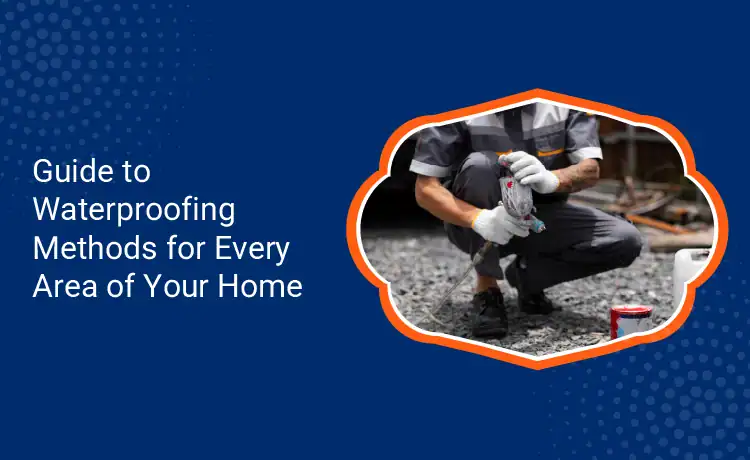
Water problems, especially during the heavy Indian monsoons, are the most common and unattended problems in houses. Minor problems like dampness of the wall or a roof leak may cause severe structural harm when not attended to. This is why selecting the appropriate waterproofing method for your home is essential.
The present-day world is transforming the way people conserve their spaces with the introduction of modernised products, like self-adhesive waterproofing membranes. These high-end materials can be used to create smooth and resilient barriers to moisture as opposed to traditional systems, owing to their easy application and durability. Choosing the right waterproofing system for your house can keep unwarranted costs to a minimum and offer a safe and cosy life in the long run.
It is important to employ the right residential waterproofing techniques in order to ensure that your home is strong and free of damage.
The gradual erosion of structures as a result of water seepage could lead to cracks, peeling paint and long-run damage. It is only when the wet areas start developing during the rainy season that most homeowners realise that there is an issue, and by then the damage has already been done.
Proper waterproofing helps avoid the build-up of moisture on walls, roofs and basements. It also prevents the growth of mould and mildew that can impact health and indoor air quality.
Modern waterproofing solutions for the home, especially self-adhesive ones, are more capable of preventing moisture intrusion, as they form a stronger waterproofing layer that resists tearing, even in highly exposed areas. Such an approach protects your building materials and reduces long-term maintenance costs.
Several house waterproofing methods are applied in residential construction, but not all of them offer the same level of performance or convenience.
Cementitious waterproofing, a popular technique, is applied to bathrooms and internal spaces. Although it is inexpensive, it lacks rigidity and can crack over time.
These are flexible and can be applied to terraces, but they need to be well-maintained after application.
It is strongly resistant to water but usually requires heat to cure and may be complex to install.
Self-adhesive waterproofing membranes are one of the most effective and modern solutions available today. They offer the following advantages:
Mcon Rasayan offers cutting-edge self-adhesive membrane systems as part of its waterproofing system range for both residential and commercial applications.
Different surfaces in your house are subject to varying levels of water exposure. Applying the right waterproofing solution for your home, such as self-adhesive membranes, will provide you with permanent protection.
These are various residential waterproofing methods that can effectively protect your house from water-related damage:
Terraces and roofs are directly exposed to sunlight, intense precipitation, and changes in temperature. Such exposure causes cracks and leakage with time.
In such cases, self-adhesive waterproofing membranes are popular, as they provide a thin layer of waterproof covering that does not allow water to pass through and protects the building from moisture-related damage.
Groundwater pressure is a major threat to basements. Without proper protection, moisture can seep into the structure and weaken the foundation.
Self-adhesive membranes offer a high level of waterproofing and can withstand the ingress of water as well as ensure structural stability, making them a popular choice for modern building waterproofing.
Kitchens and bathrooms are areas that are more exposed to moisture. Even slight leakages can seep into the surrounding walls and floors, causing further structural damage.
The use of waterproof layers beneath tiles, as well as self-adhesive membranes in crucial places, will guarantee long-term safety and lower the costs of repair.
External walls are subjected to rain, moisture, and environmental pollutants. Even little cracks can allow water to enter the structure.
Coating with self-adhesive membrane solutions enhances durability while curbing weather-related damage.
The most common areas of leakage include balconies and window joints, particularly when it rains heavily.
Self-adhesive membranes that are flexible and easy to apply can be used to seal joints to ensure that no water enters the living spaces.
Following the right home waterproofing practices will guarantee long-term performance, particularly when using contemporary membrane systems.
Self-adhesive membranes are easy to apply, require no heat or complex machinery, and are faster to install than traditional methods.
The choice of the solution will be determined by the location, the amount of water contact, and the climate.
In areas that experience heavy rainfall and high humidity, houses should be waterproofed with self-adhesive membranes, as they guarantee increased protection in the long run.
One should also always use the best quality materials and refer to professionals prior to use.
Mcon Rasayan specialises in high-performance, self-adhesive waterproofing membrane systems with reliable products and expert technical advice that will help you make the correct choice for your project.
Waterproofing is not an option; it is a requirement of any home. Appropriate waterproofing techniques in houses are effective in avoiding leakages, dampness and structural deterioration.
Although there are other alternatives, self-adhesive waterproofing membranes have the best mix of durability, ease of installation and long-term performance.
From rooftops to basements, it is important to select the right waterproofing system for your home to enhance its life and comfort.
With established suppliers such as Mcon Rasayan, it is easier to apply modern techniques for waterproofing on your property, ensuring your home remains safe, dry, and protected for the long term. Contact us now!

Nandan Pradhan, a management degree holder and the Executive Director of MCON Rasayan, is the driving force behind the smooth operation of the organisation. His years of experience in planning, strategising, execution, team training, and ensuring productivity across all areas of company operations have made MCON Rasayan a global leader in the construction chemical manufacturing sector.
 08976907887
  sales@mconrasayan.com